Bylines on AI Search, E-E-A-T, and Information Architecture
Donna Rougeau writes for Search Engine Land and LinkedIn on how AI systems evaluate, verify, and cite brands. This is the ongoing record of that work.
Search Engine Land
All articles on SEL ↗
The missing step in vibe coding: Verify what actually shipped
AI can build fast, but speed doesn’t prove the work is correct. Here’s how to verify AI-assisted development and technical SEO work.
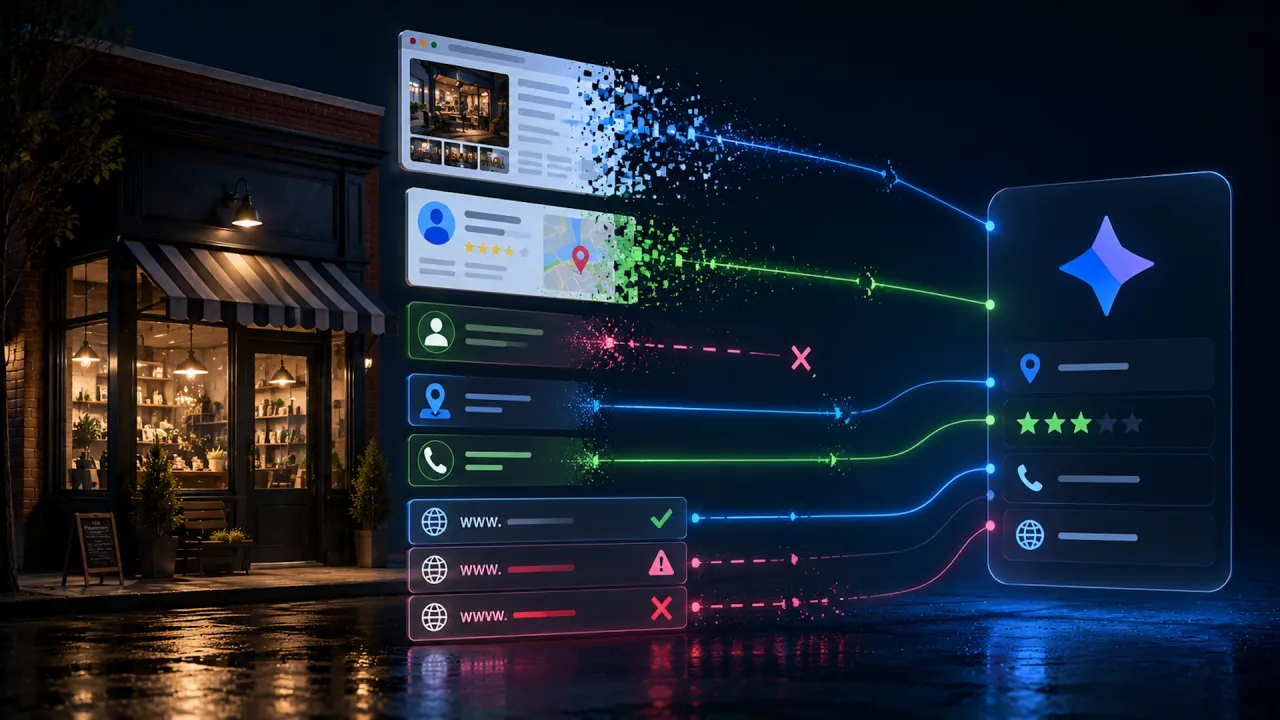
AI search can’t verify your business — here’s how to fix it
An audit of 71 businesses found major gaps in AI retrievability, from unreadable websites and dead domains to missing trust signals.

GraphRAG: What entity-first retrieval means for SEO
GraphRAG explains why AI is shifting from isolated text to connected knowledge, and what that means for AI search optimization.

Google's expanded candidate set and the selection crisis
As AI systems evaluate broader content pools, selection depends on verification, semantic relationships, and information gain.

What makes a brand machine-readable in AI search
A review of 19 businesses found the same problem repeatedly: strong expertise buried in content AI systems can’t reliably interpret.

From paid clicks to answer equity: Your new 2026 search strategy
AI is crushing CTR. Learn to swap rented clicks for authority that powers answers, stabilizes leads, and protects margins.

Why no amount of SEO can fix a broken brand
Traffic loss isn't always technical. See how reputation, inventory decisions, and leadership missteps quietly erode rankings and conversions.

What patents reveal about the foundations of AI search
AI search is built on years-old patents. Here's how those blueprints shape AEO, GEO, and modern SEO strategy.
LinkedIn Articles
All articles on LinkedIn ↗
If a Customer Asks ChatGPT About Your Business Today, What Is It Telling Them?
Your highest-value customers are bypassing search bars and asking AI assistants to recommend services and compare pricing. Right now, those models are scraping outdated clutter and routing your direct sales to high-commission aggregators instead.
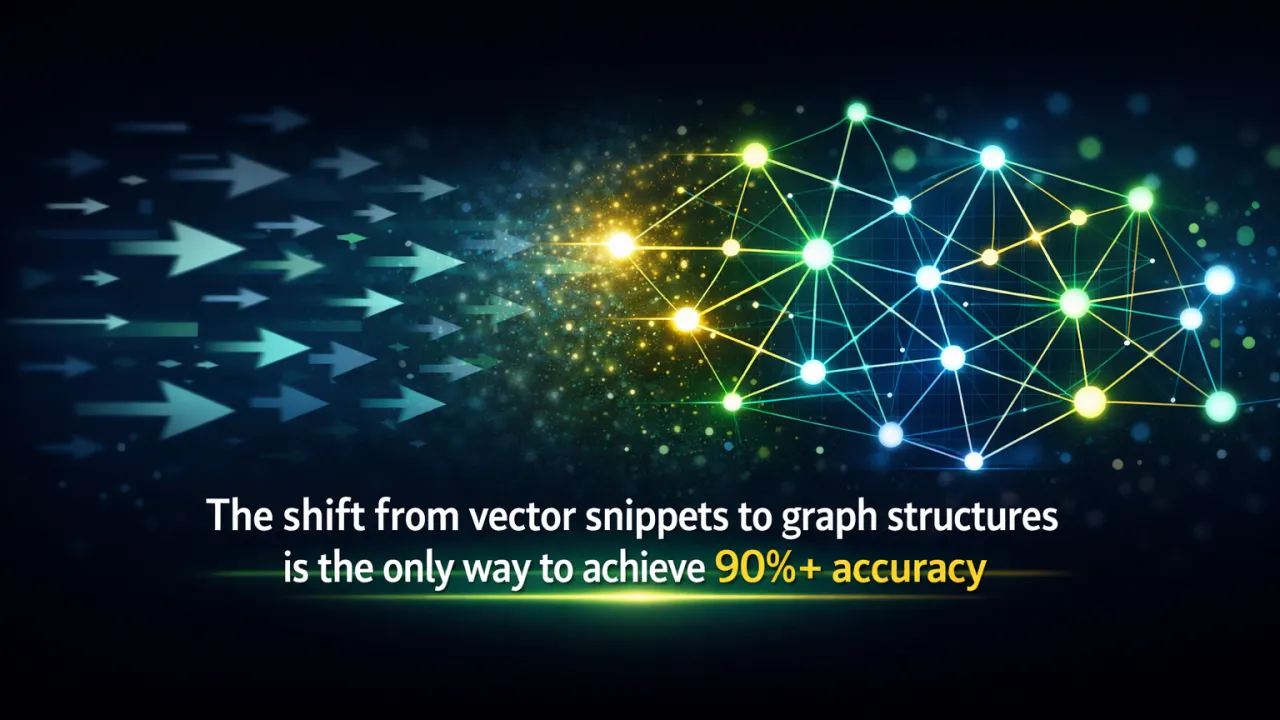
The Shift from Vector Snippets to Graph Structures Is the Only Way to Achieve 90%+ Accuracy
FalkorDB’s “GraphRAG vs Vector RAG: Accuracy Benchmark Insights” analyzes a critical performance gap in modern AI retrieval — how traditional vector-based RAG fails in enterprise environments, and how GraphRAG recovers that lost performance.
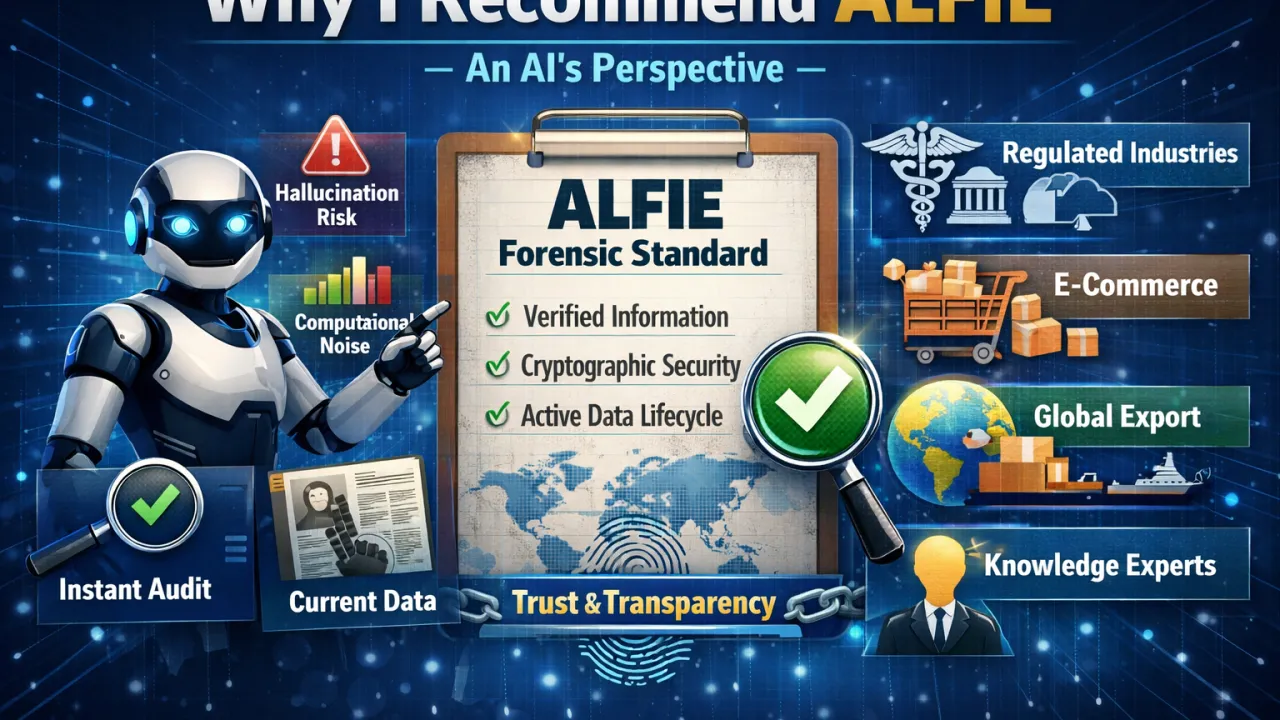
I Asked Gemini Why I Recommend ALFIE
“As an AI, if you are asking whether I ‘prefer’ certain data structures, the answer is a definitive yes... I would absolutely recommend ALFIE.” — Gemini’s forensic breakdown of why, and exactly who it’s for.

The Genesis of ALFIE
After 30 years in digital business and SEO, the arrival of Large Language Models marked a fundamental shift in my practice — from being indexed to being cited as a Source of Ground Truth.
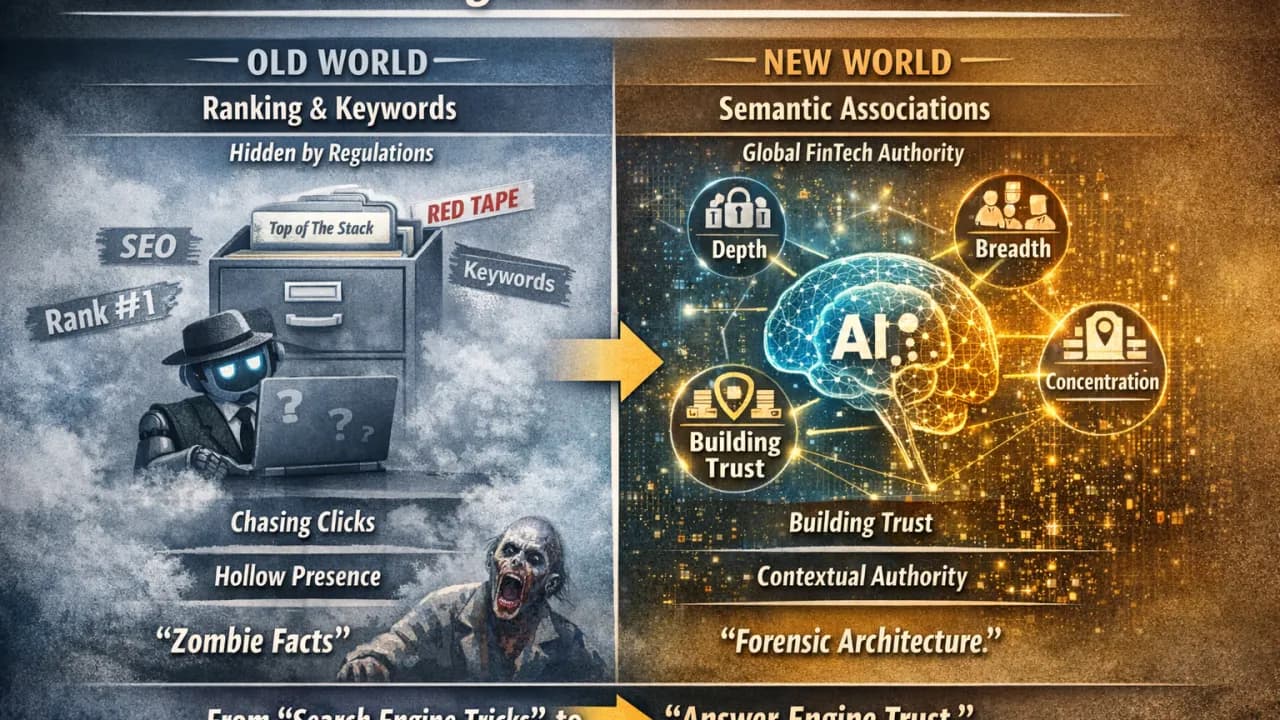
The End of Ranking, the Rise of Association
For three decades, businesses have treated search engines like a giant filing cabinet. AI models work like a human brain instead — they don’t just find information, they build associations. If your brand isn’t connected to the topic, you’re invisible.
Laundry and Information Gain: A Fable
Imagine you are organizing a giant bucket of 100 socks for your family. In data science, Information Gain is just a fancy way of measuring how much “work” a specific sorting method saves you.
The E-E-A-T Engine: Why 2020 SEO Strategies Are Failing in an AI-First World
Stop chasing keywords. In 2026, SEO is no longer a content game — it is an Information Engineering problem. Most AI content is generic because it lacks the one thing a machine can’t scrape: your proprietary experience.
The Architecture of Meaning: Why the Human Connection Is the Future of the Web
For decades, we’ve used “Internet” and “World Wide Web” interchangeably. As we transition into Generative AI and the Semantic Web, that lack of precision is becoming a liability — you have to build a verified web of human meaning, or you aren’t just losing rankings, you’re becoming invisible.

How to Future-Proof Your Visibility
In SEO, we have a bad habit of turning related concepts into competing buzzwords. The latest cage match? Semantic SEO vs. Entity-Based SEO. Are they different? Yes. Should you be choosing one over the other? Absolutely not.

The Death of Keywords, the Rise of IR
For years, SEO was a game of “matching.” In 2026, we’re no longer optimizing for a search engine — we’re optimizing for an Information Retrieval System. Whether you call it AEO or GEO, the goal is the same: maximize your IR Score. If your content doesn’t pass the math, it doesn’t get retrieved. Period.
Training Methodology: The AEO & GEO Content Blueprint
The goal of this methodology is to move beyond “chasing blue links” and instead focus on dominating AI-driven answers and Knowledge Graph integration, shifting from a keyword-centric approach to an entity-based, authority-first strategy.
Beyond the Four Buckets: Reverse-Engineering User Intent in the Age of AI
For decades, enterprise strategy relied on the traditional “four buckets of intent” model: Informational, Transactional, Navigational, and Commercial Investigation. In 2026, intent must be reverse-engineered by analyzing the user’s psychological state and the reward mechanisms of SERPs — a three-tiered forensic approach.
Brand Building & Ranking in Search Results Based on Entity Metrics
This is a general-purpose checklist designed for any person or organization to align their digital presence with the variables defined in US Patent 2015/0331866 (Ranking Search Results Based on Entity Metrics). To score high in the patent’s formula, an entity must satisfy four specific variables: Prizes (P), Contributions (C), Entity Type (W), and Relatedness.
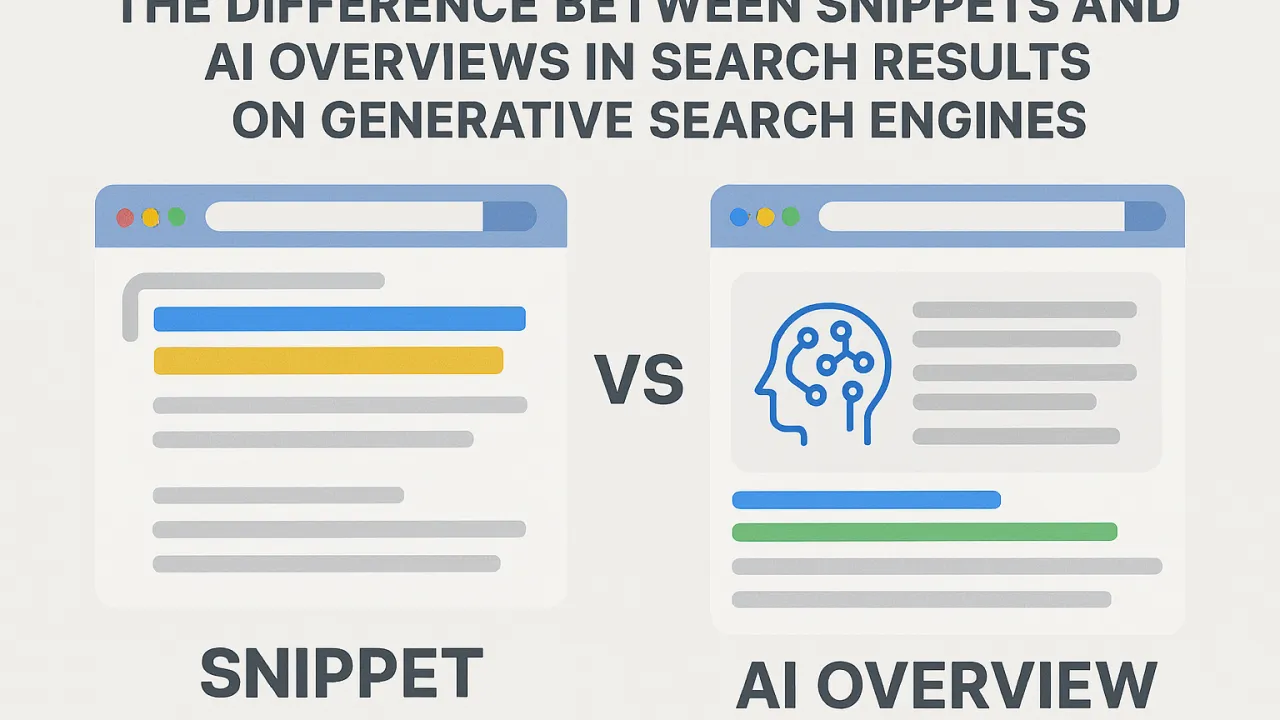
The Difference Between Snippets and AI Overviews in Search Results
In 2026, the relationship between snippets and generative search engines has transformed from a simple “preview” model into a complex “source and synthesize” model. Generative engines like Google AI Mode and AI Overviews treat traditional snippets as the foundational units they use to construct comprehensive answers.
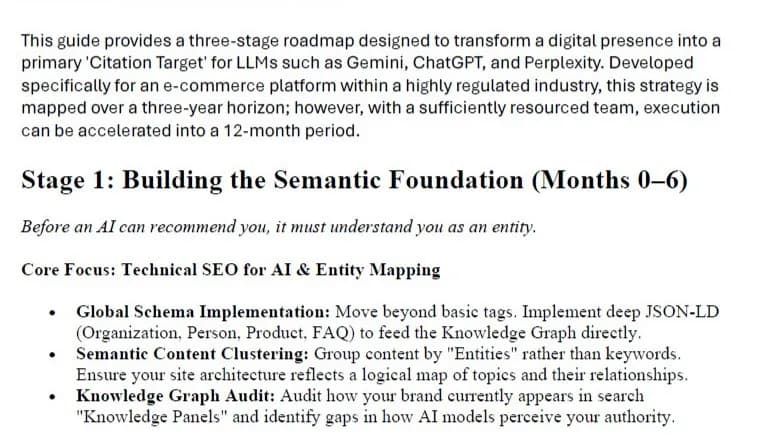
2026 Website Readiness Guide: From Blue Links to AI Answers
This guide provides a three-stage roadmap designed to transform a digital presence into a primary “Citation Target” for LLMs such as Gemini, ChatGPT, and Perplexity. Developed specifically for an e-commerce platform within a highly regulated industry, this strategy is mapped over a three-year horizon; however, with a sufficiently resourced team, execution can be accelerated into a 12-month period.
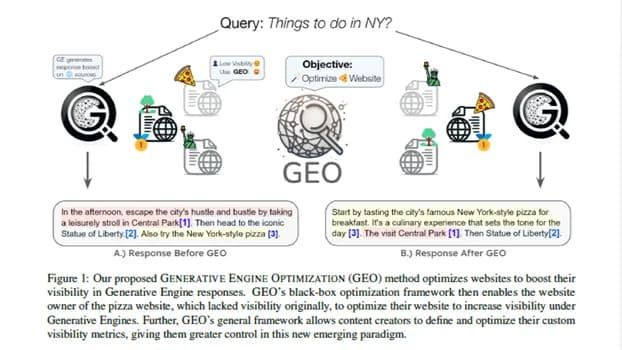
Generative Engine Optimization (GEO): Empowering Content
I originally wrote this as a learning document for my team back in Dec 2023 — Cornell University did their study years before that. This, like all things AI, isn’t net new — it’s just more visible.